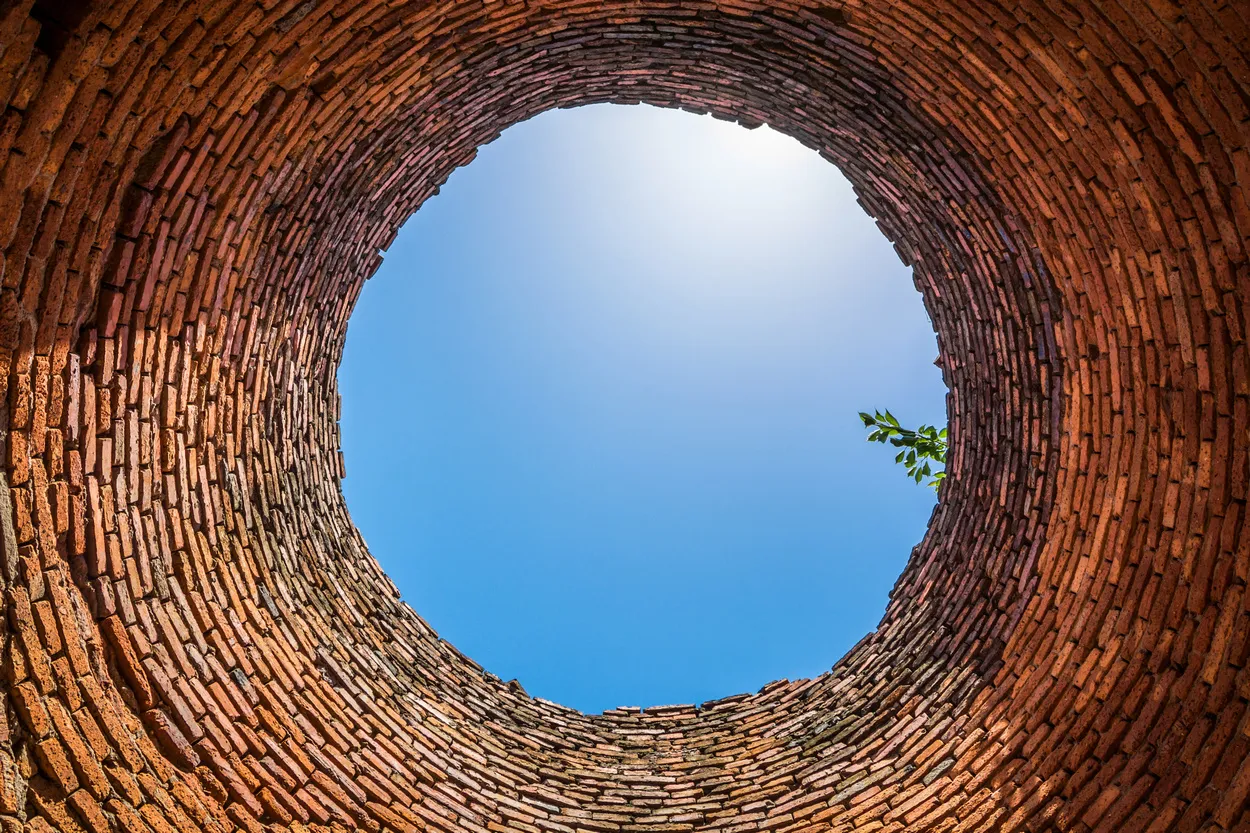
Water well deepening
If an existing well no longer supplies enough water, deepening may reach another water-bearing layer.
View details →If an existing well no longer supplies enough water, deepening may reach another water-bearing layer.
Deepening starts by opening the bottom of the existing borehole and drilling farther with a smaller drill bit. If a more productive aquifer is reached, the well may deliver substantially more water; in some cases the flow can even double. The result depends on the ground and cannot be promised before assessment.
Before deepening or extending a well, we recommend a hydrogeological assessment to establish the target water-bearing layer and whether the intervention is worthwhile. We discuss the existing casing, access and equipment before starting, then check the usable flow through a pumping test.
If an existing well no longer supplies enough water, deepening may reach another water-bearing layer.
View details →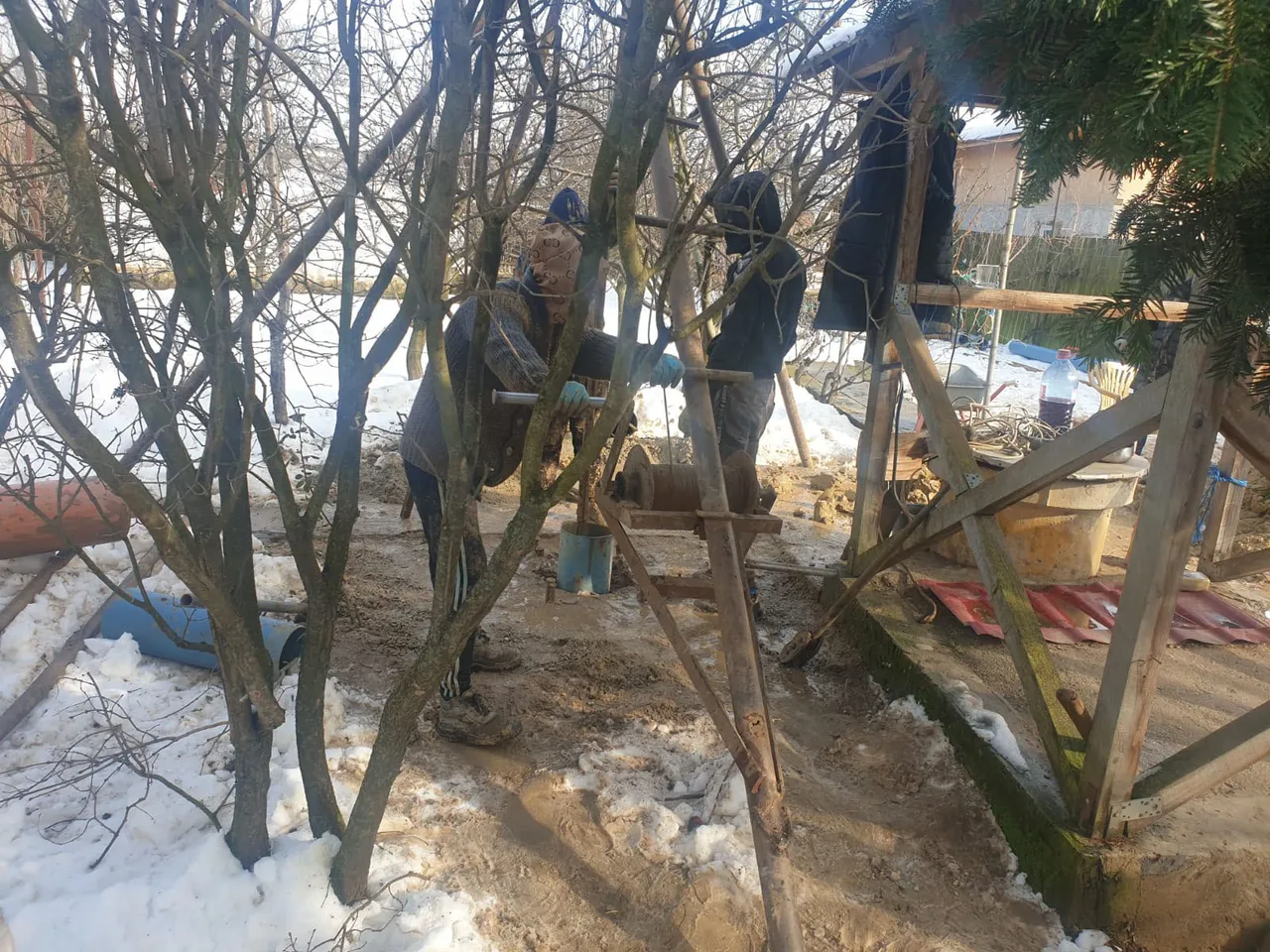
Low flow, cloudy water or pumping problems need a diagnosis before choosing a repair.
View details →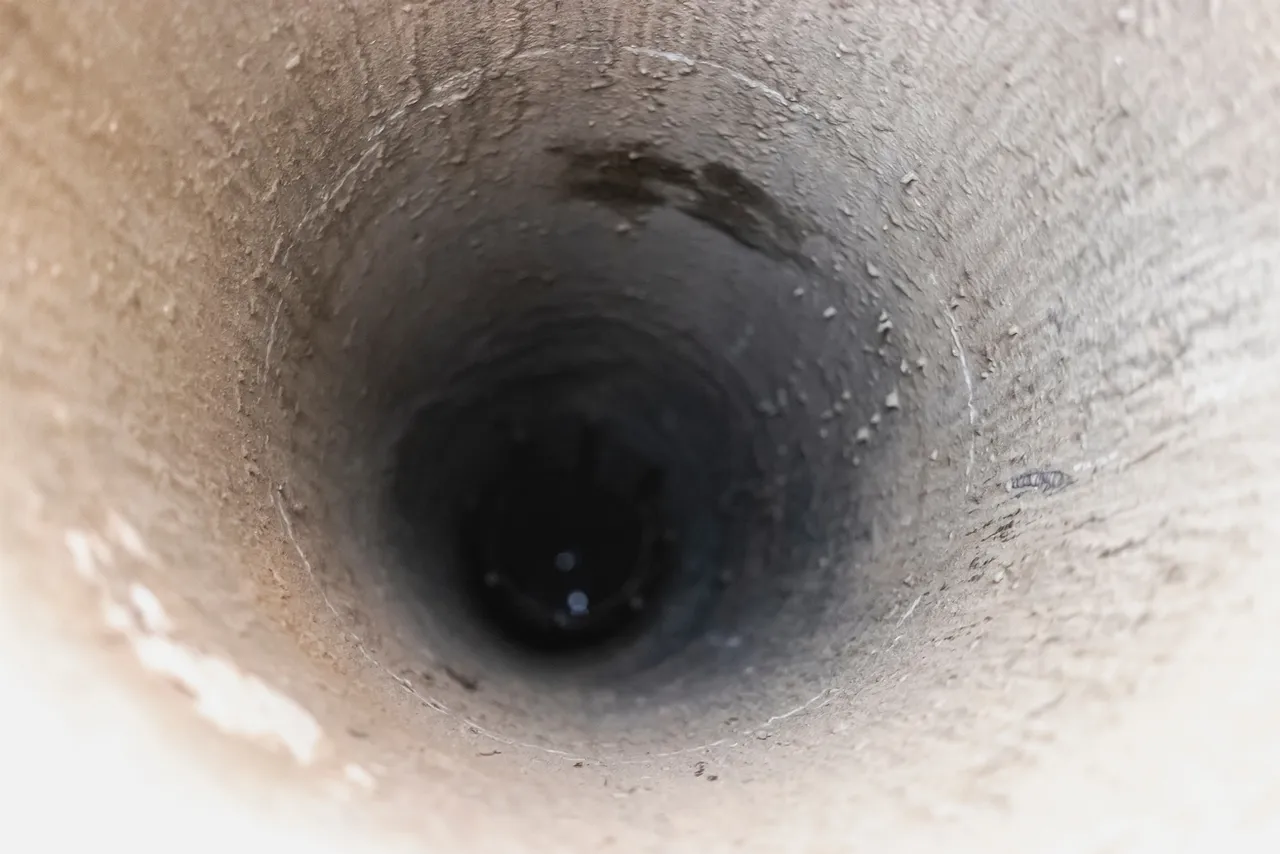
Extending an existing borehole may provide access to a deeper water-bearing layer without starting a separate well.
View details →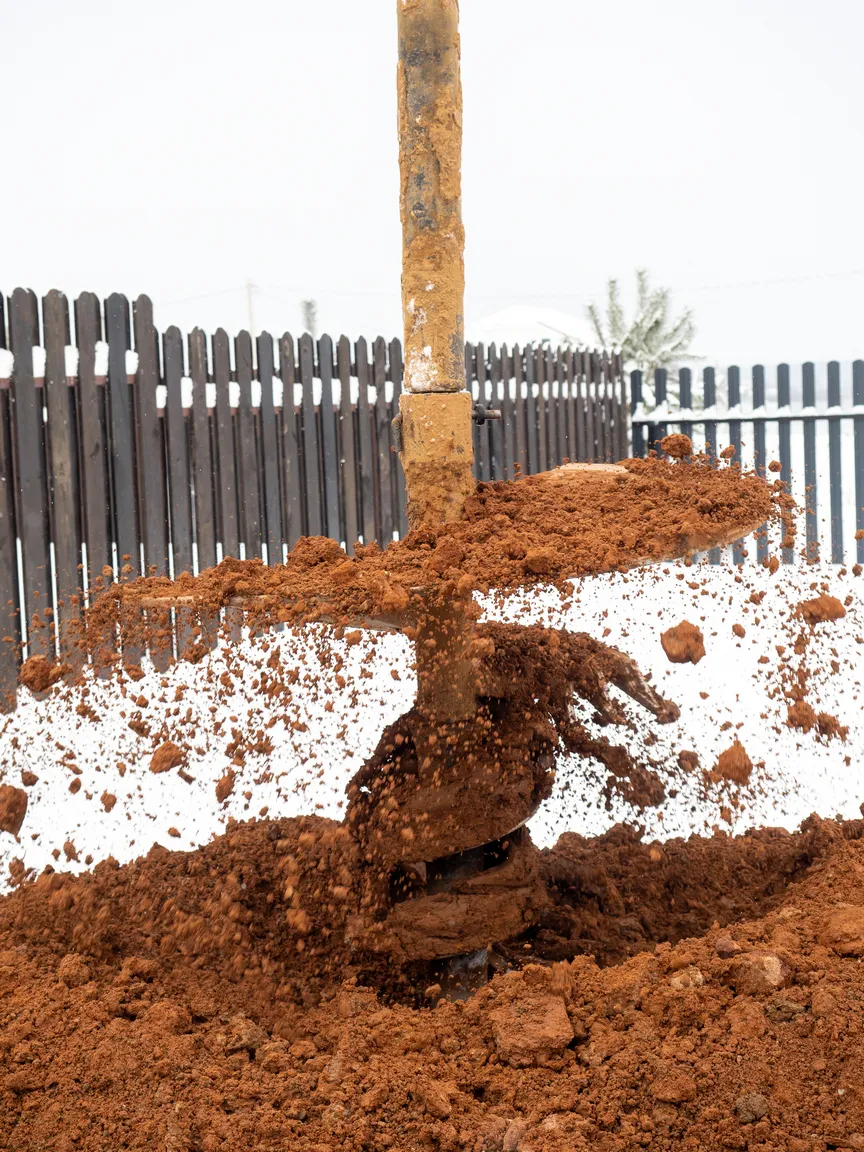
Sand in the water can damage a pump and may indicate problems with the well screens or filter pack.
View details →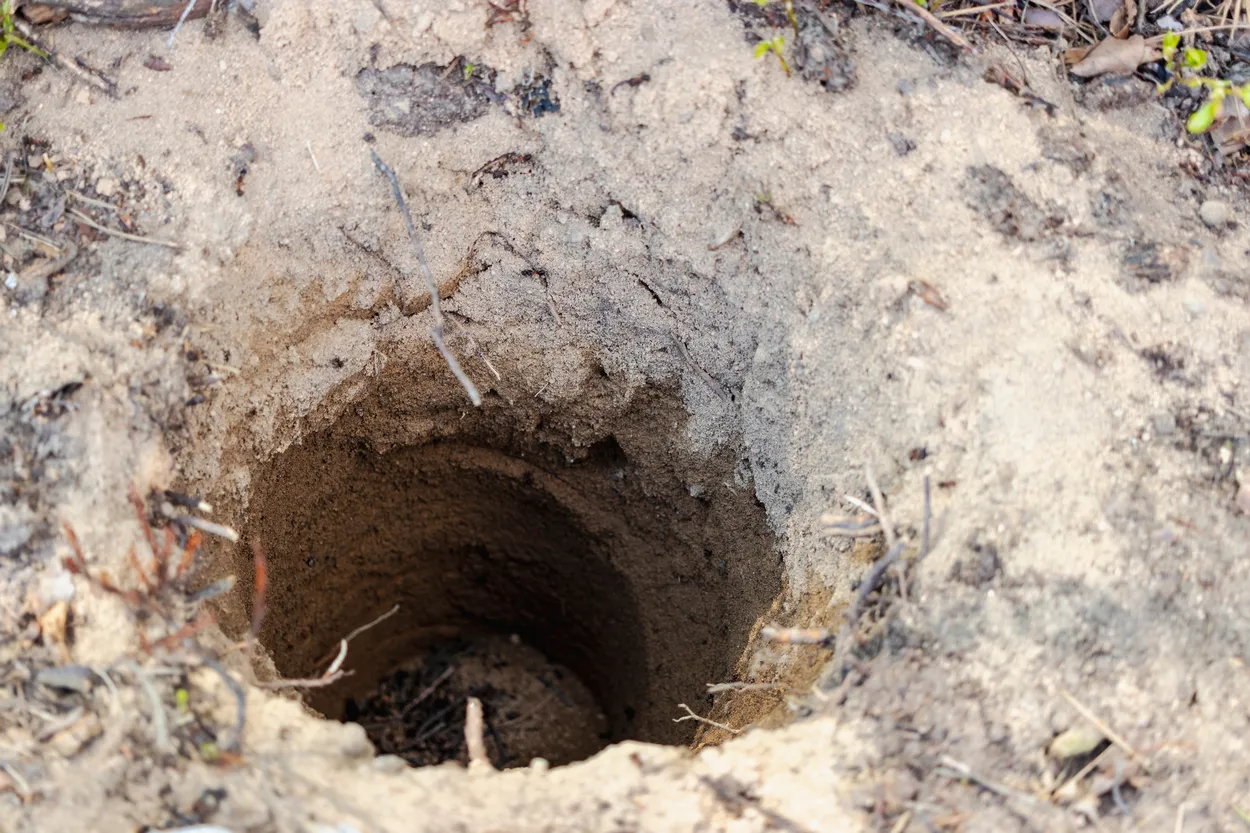
Bored piles and micropiles provide deep foundation support where the project and soil conditions require it.
View details →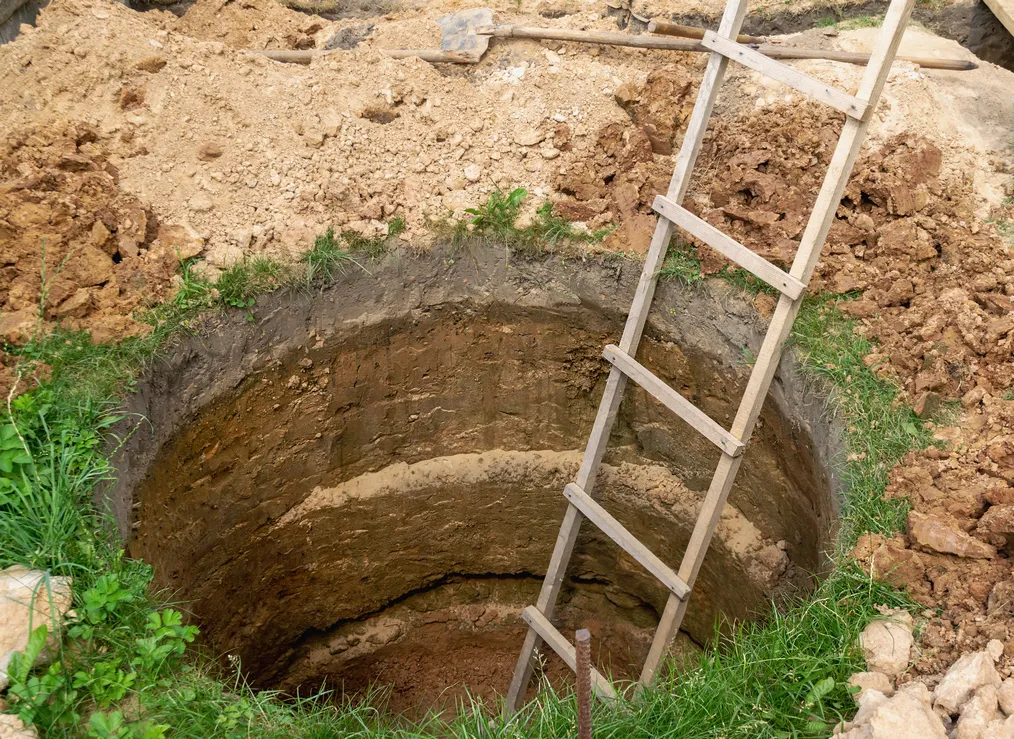
Sediment and deposits can affect water clarity and well performance. Cleaning is selected according to the well condition.
View details →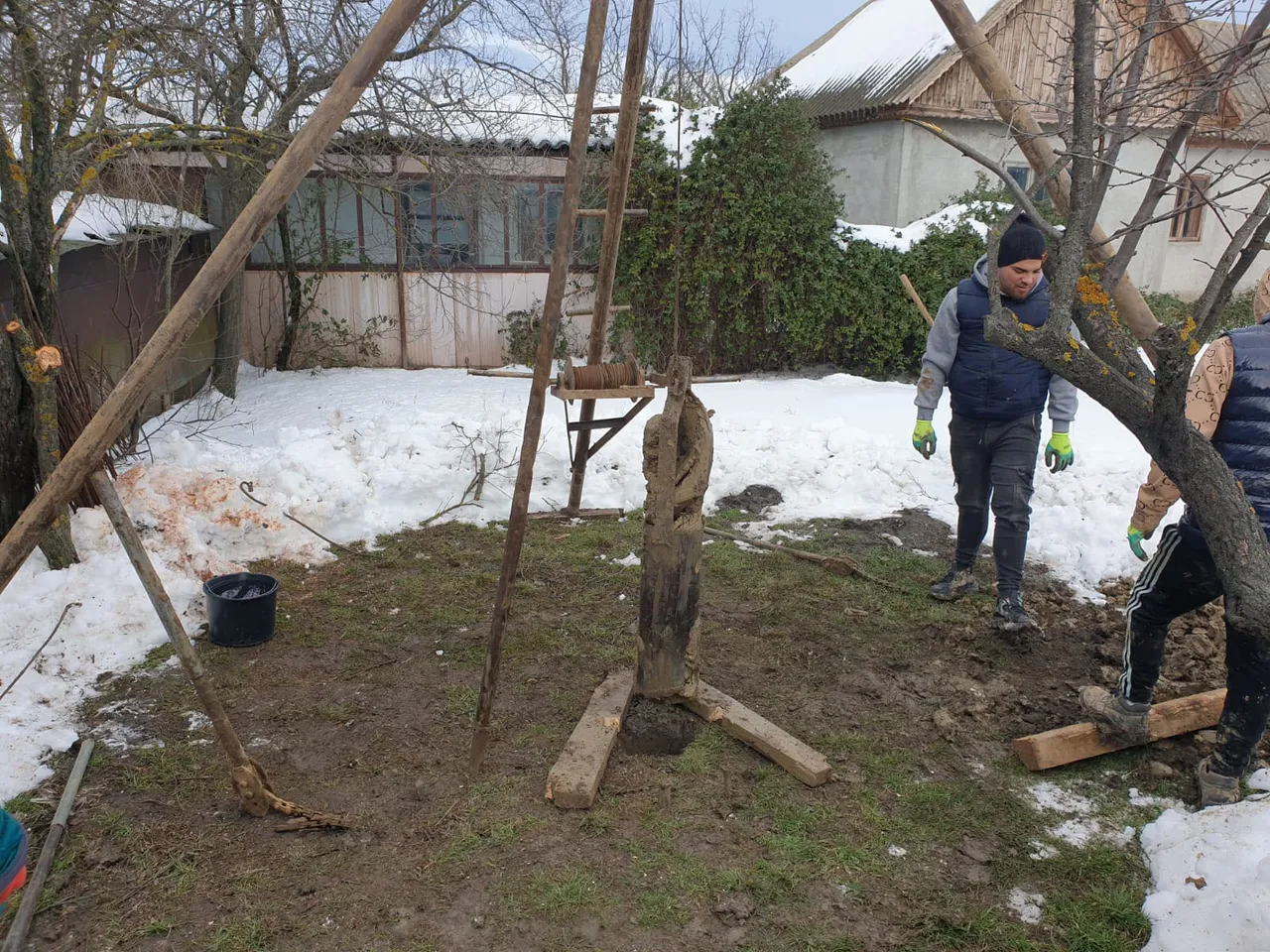
Unstable borehole walls or damaged casing may require a reinforcement solution adapted to the ground.
View details →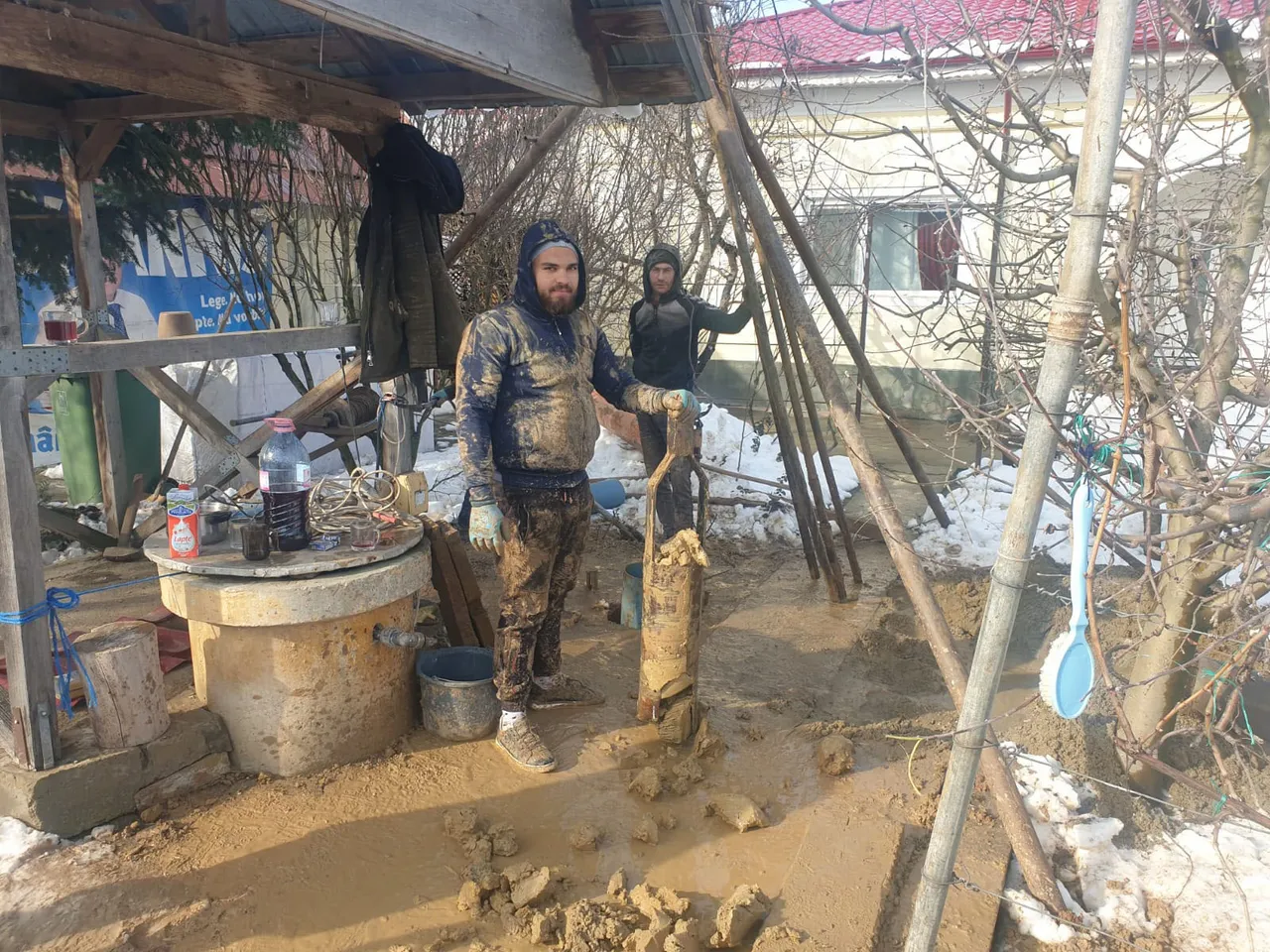
We drill water wells for homes, gardens and irrigation, using equipment adapted to the property.
View details →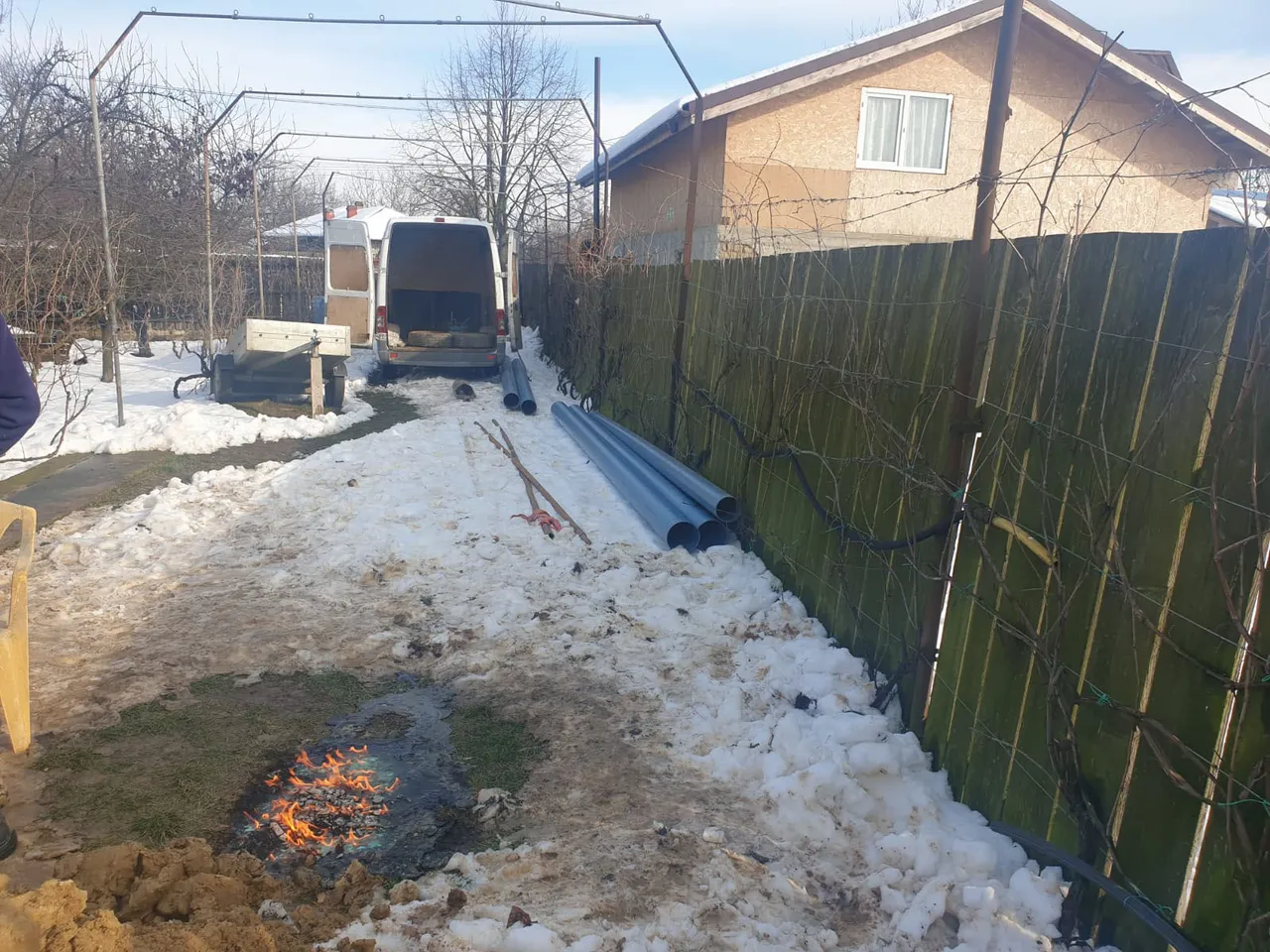
Drainage wells may help manage surface water where the ground and local requirements allow infiltration.
View details →Let us know your location, the work you need and access to the property. We will discuss the next steps together.
Clear water is not necessarily safe to drink. Drinking-water quality must be checked through laboratory testing.