Working across Romania · 0734.968.343

Working across Romania

Water for your home and garden

We drill affordable water wells across Romania for household and agricultural use. We work on new wells and existing installations, selecting depth, casing and equipment to suit the land and the water required.

  • Blue PVC casing
  • Black PVC casing
  • Orange PVC casing
  • Valplast
  • Valrom
Water well drilling by our team
Manual drilling, PVC casing and pumping tests

Manual drilling, PVC casing and pumping tests

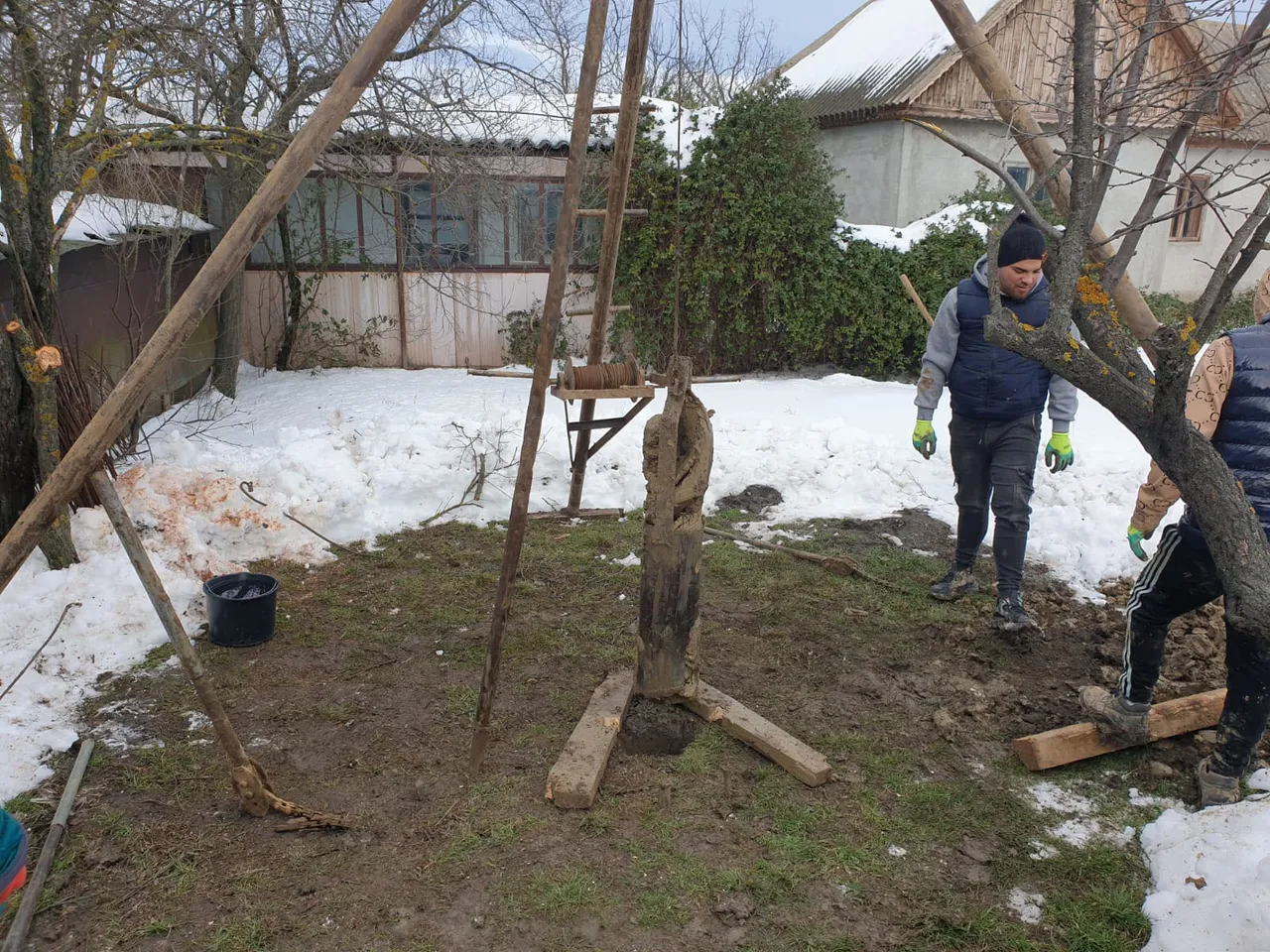
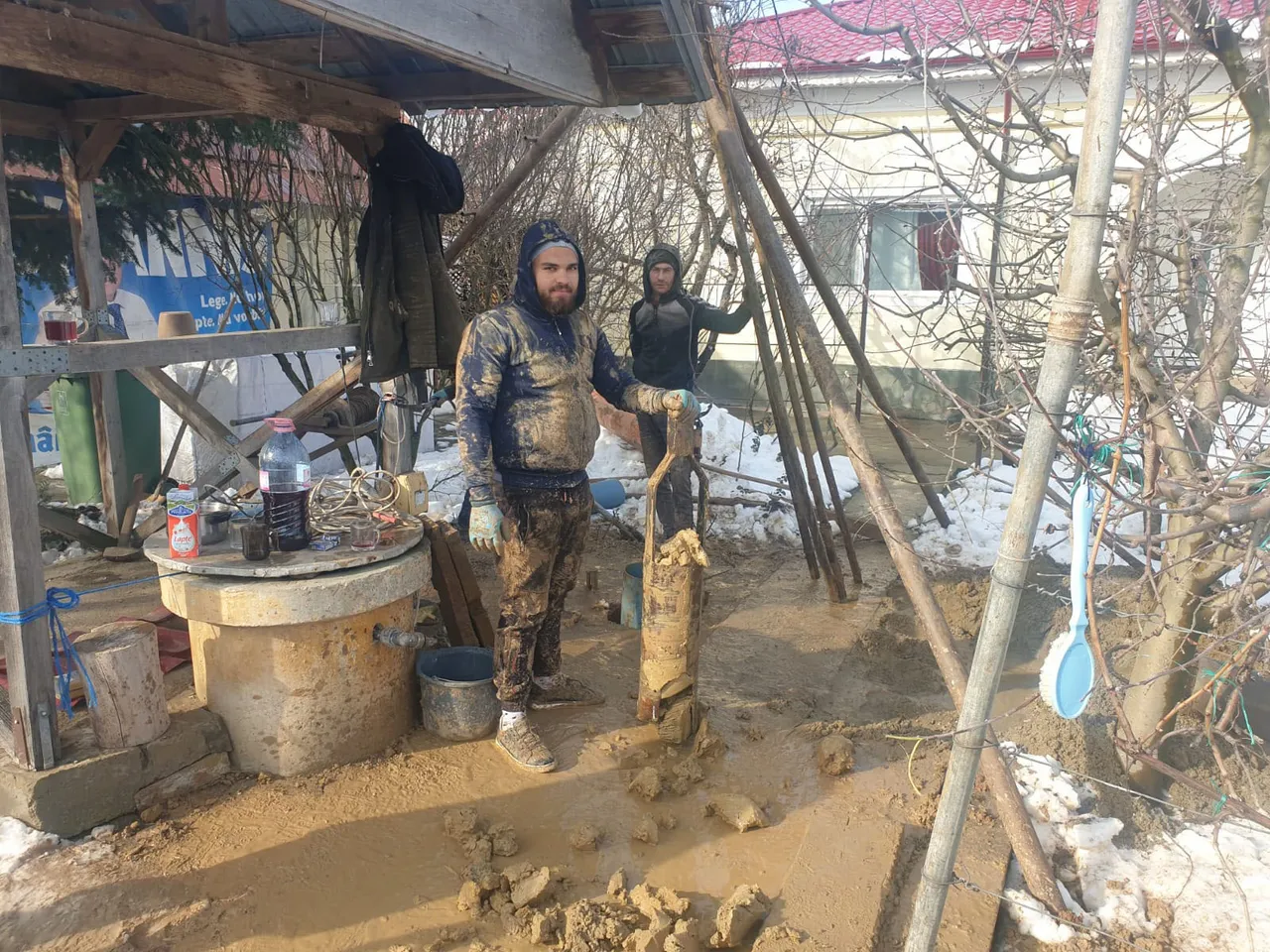
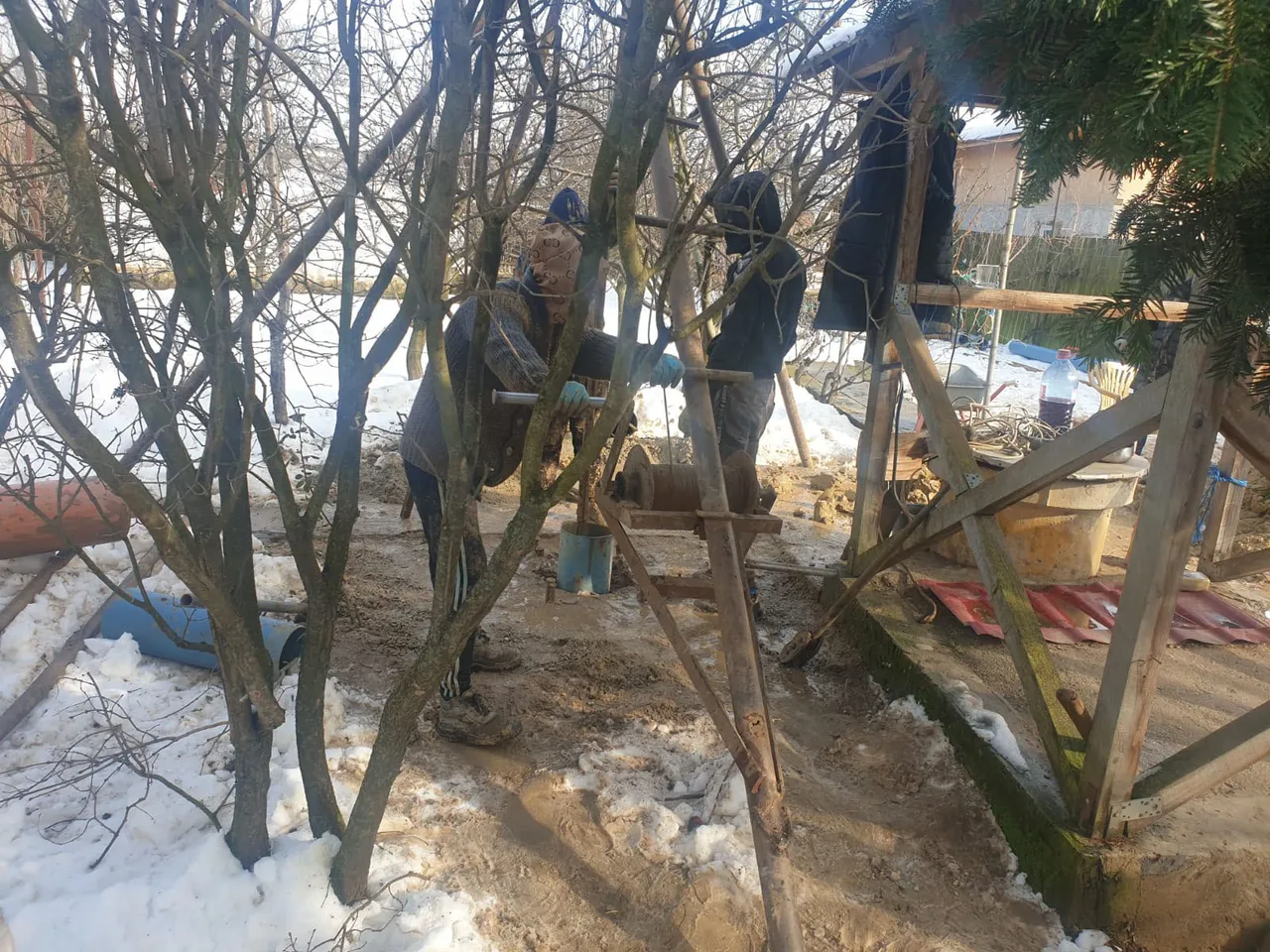
We work with our own manual drilling equipment, developed and refined by our team over the years. It lets us enter narrow yards, drill shallow wells efficiently and keep transport and setup requirements low. Each component is checked before work starts on site.

  1. 01

    Tripod and manual winch

    Stable anchoring and quick assembly, adapted to the ground.

  2. 02

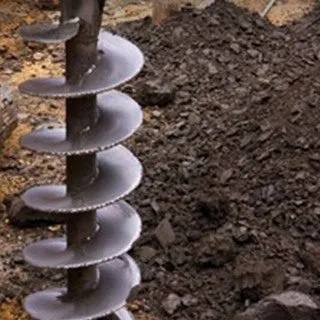
    Drill rods and bits

    Equipment selected for sand, gravel and more compact layers.

  3. 03

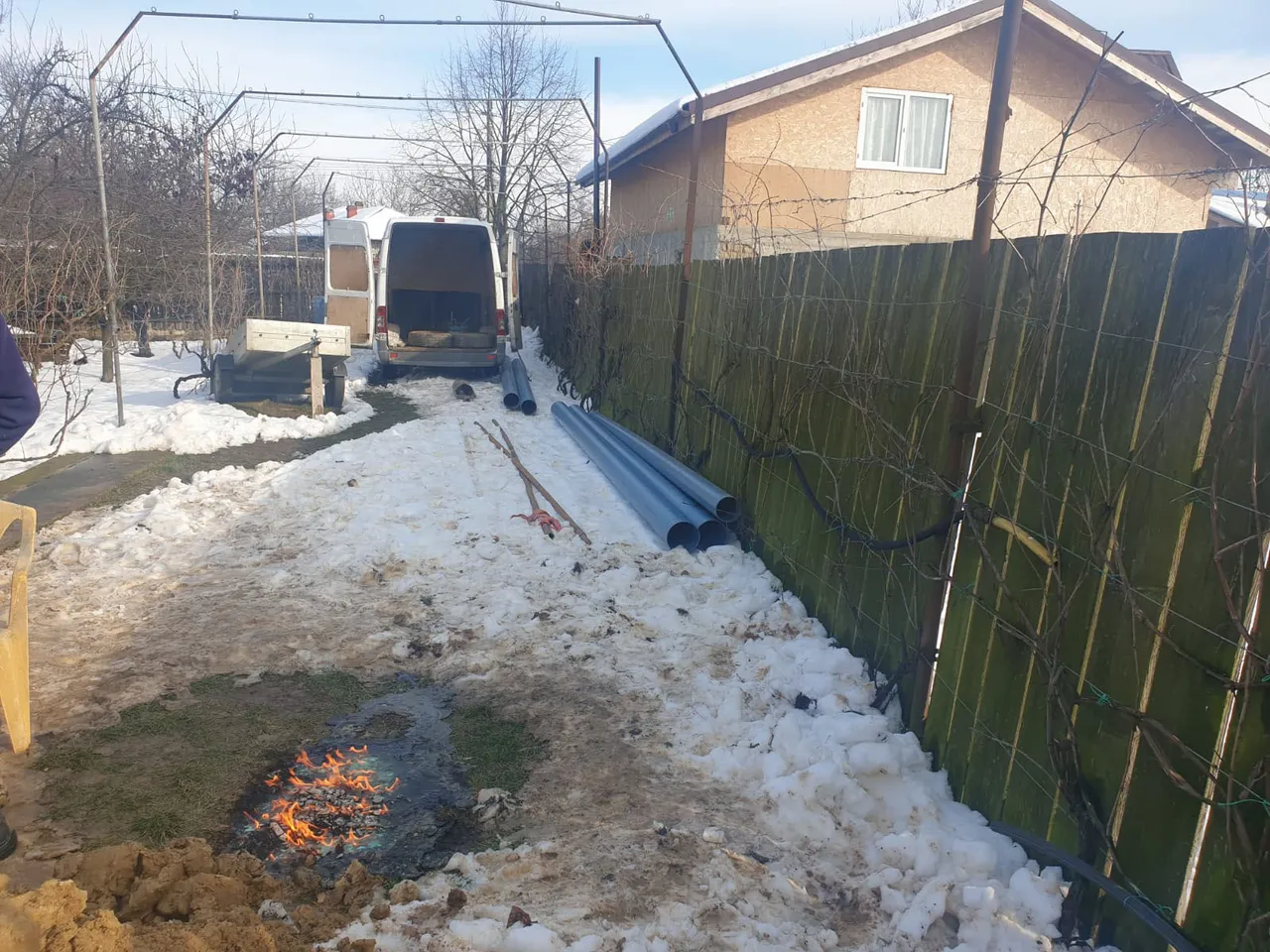
    PVC well casing

    Blue, black or orange pipe, with Valplast or Valrom options.

  4. 04

    Well development by pumping

    Pumping removes sand and suspended material and lets us check the actual flow.

Available services

From drilling a new well to restoring an older installation, we work with our own team and equipment. We use suitable blue, black or orange PVC casing, including Valplast and Valrom products, and select screens for the aquifer.

01

Shallow and medium-depth water wells

View details

Shallow water wells are suitable for properties where an accessible aquifer can supply the required flow. Depths commonly range from 10 to 30–35 metres, and work can often be completed within a few days, depending on the ground and access.

Manual drilling equipment reduces transport and installation costs. Before choosing a shallow well, discuss the land and water requirements with a drilling specialist to establish whether the local conditions can support it. Drinking-water use requires water-quality testing.
02

Water for households and irrigation

View details

A household or business with a higher water demand may benefit from a well around 25–35 metres deep, where local aquifers allow it. Casing and sealing are planned to isolate unsuitable shallow layers and reach the selected water-bearing layer.

Our pumping tests establish the actual flow and help select an appropriate operating rate and pump. The depth alone does not establish drinking-water quality; laboratory testing is required before using the water for consumption.

03

Bored piles and micropiles

View details

Major infrastructure and structures carrying heavy loads may require deep foundations using bored piles or micropiles. These elements anchor the foundation below the surface and transfer the structure's loads into the ground.

End-bearing piles transfer loads mainly through their tip into an appropriate bearing layer. Friction piles transfer much of the axial load through friction along their sides. The ground investigation and structural design determine the appropriate pile type and dimensions.

04

Deepening and extending existing wells

View details

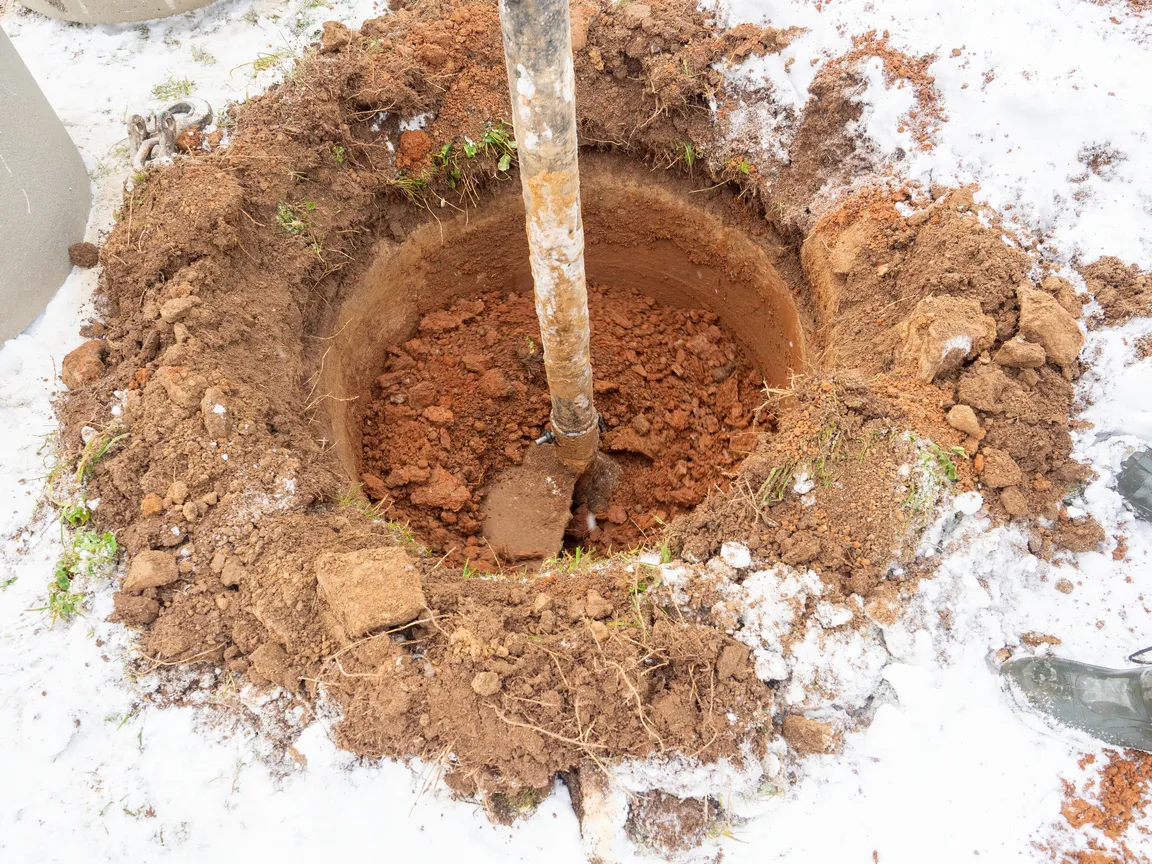
Deepening and extension can improve the flow of an existing well while retaining its borehole. The bottom is opened and drilling continues with a smaller bit suited to the available diameter.

If the work reaches a more productive aquifer, flow can increase considerably and may sometimes double. We recommend a hydrogeological assessment before work to evaluate the target depth and feasibility, followed by a pumping test to check the result.

05

Drainage and soakaway wells

View details

Drainage wells are considered where poor infiltration causes standing water after rainfall, particularly on clay-rich ground. Projects may involve depths around 10–30 metres, but the depth and receiving layer must be chosen after assessing the property.

Suitable design considers soil permeability, groundwater and how water can safely infiltrate. The work must follow the project requirements and necessary approvals, without allowing untreated surface water to contaminate a drinking-water source.

All services

Water for irrigation

A well may supply irrigation for approximately one hectare, depending on its measured flow, the crop and the irrigation system. We assess the water requirement before choosing the installation.

Work gallery

Real photographs from our work

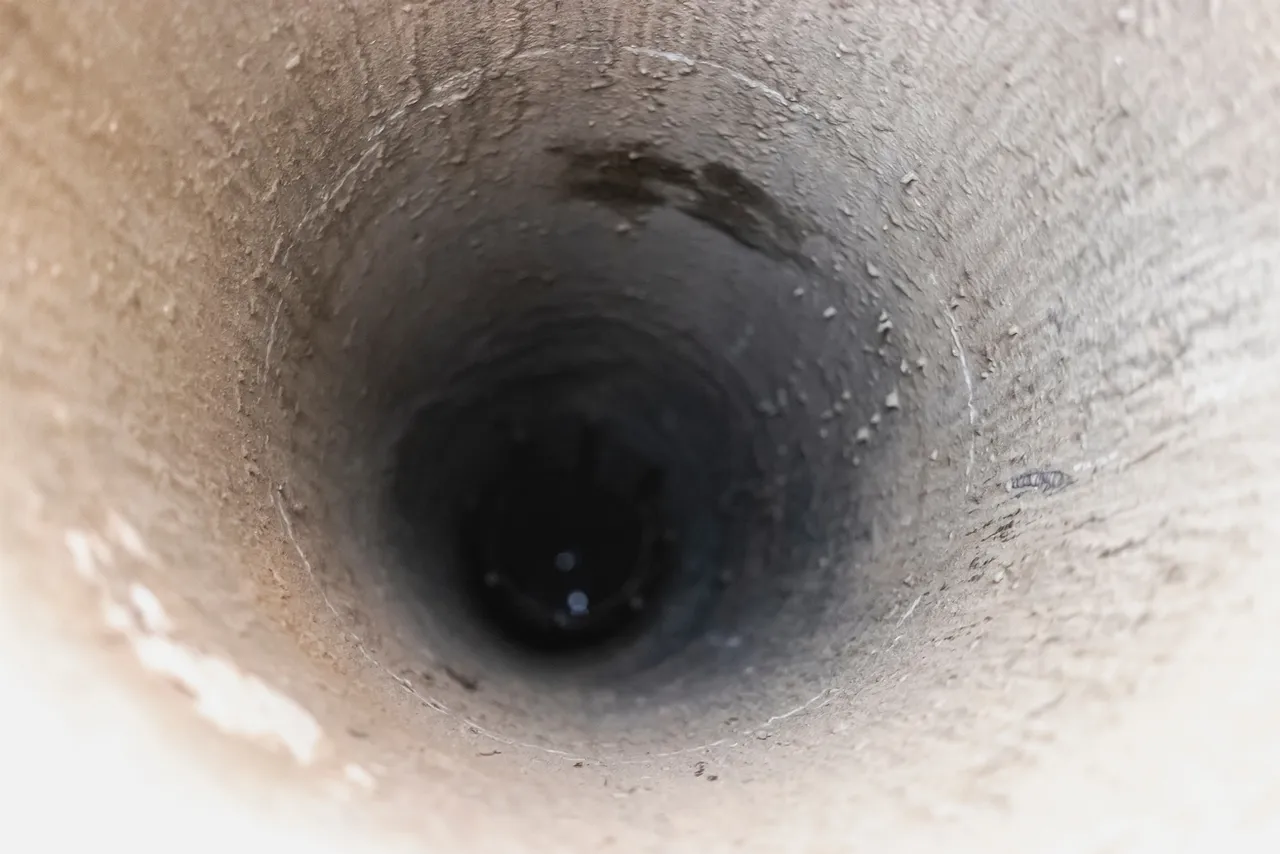
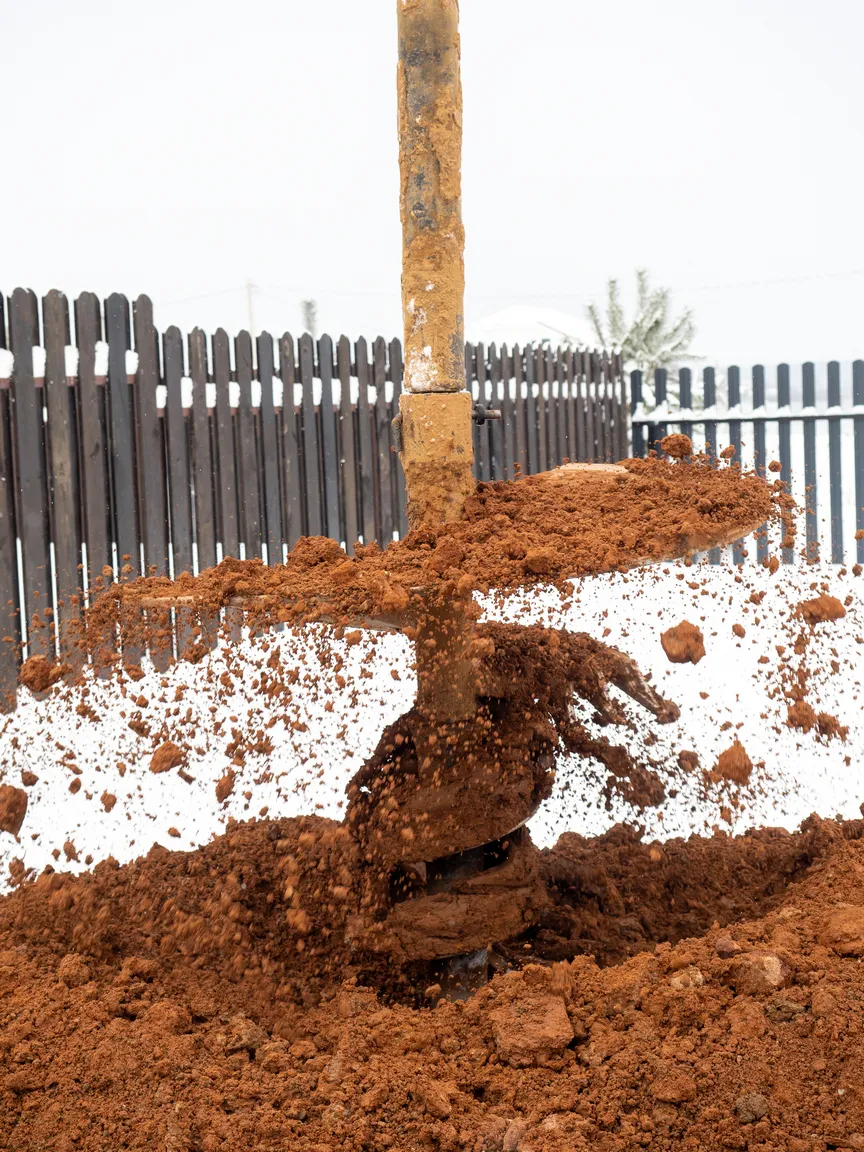
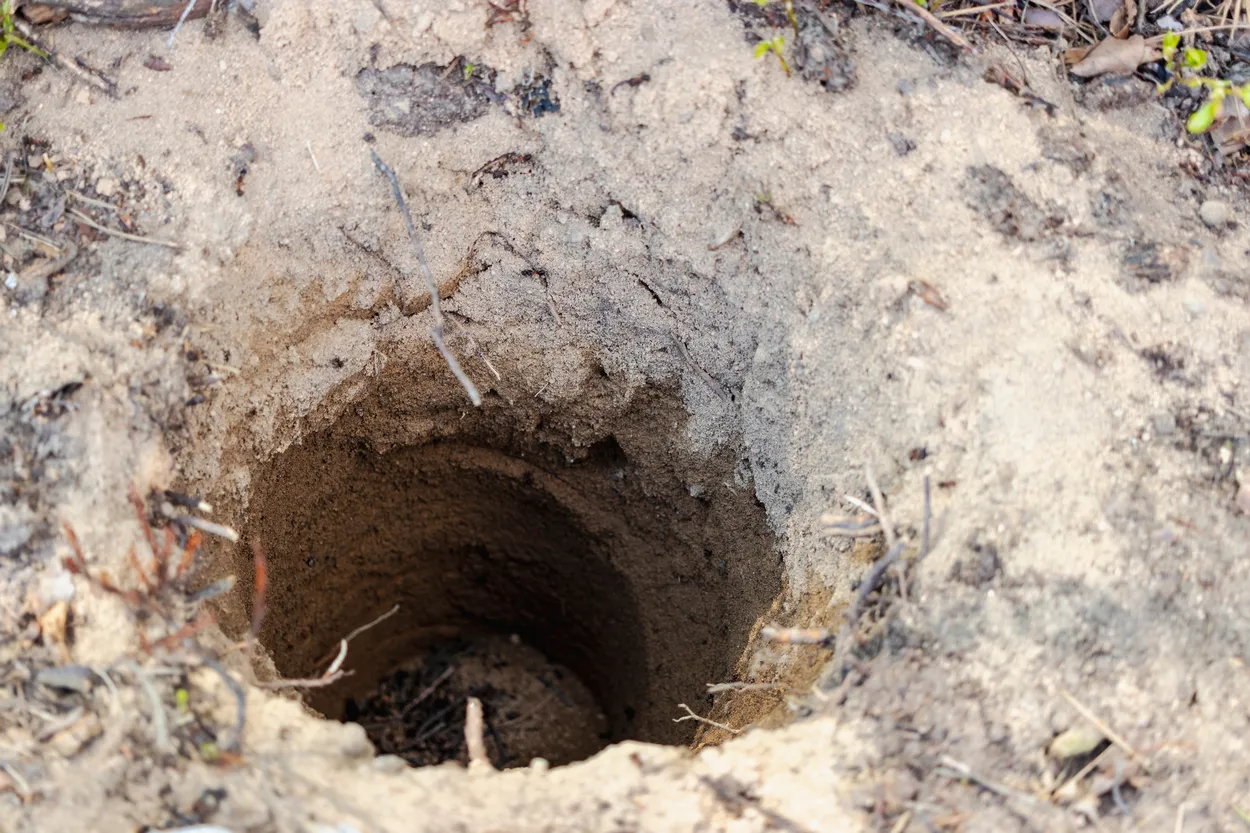
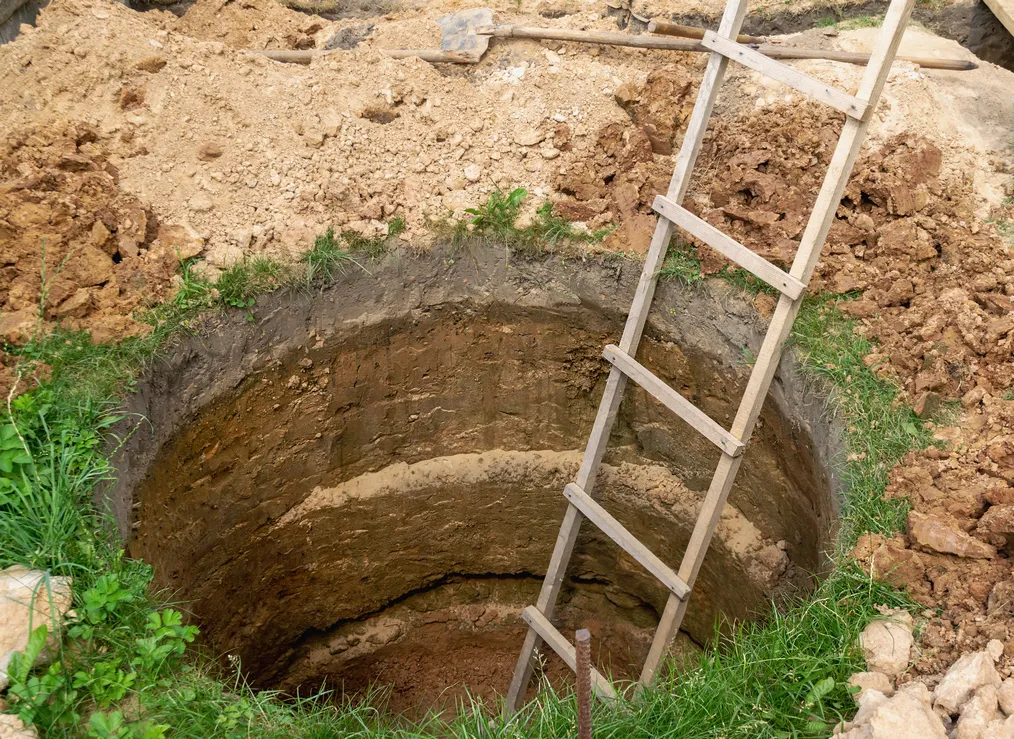
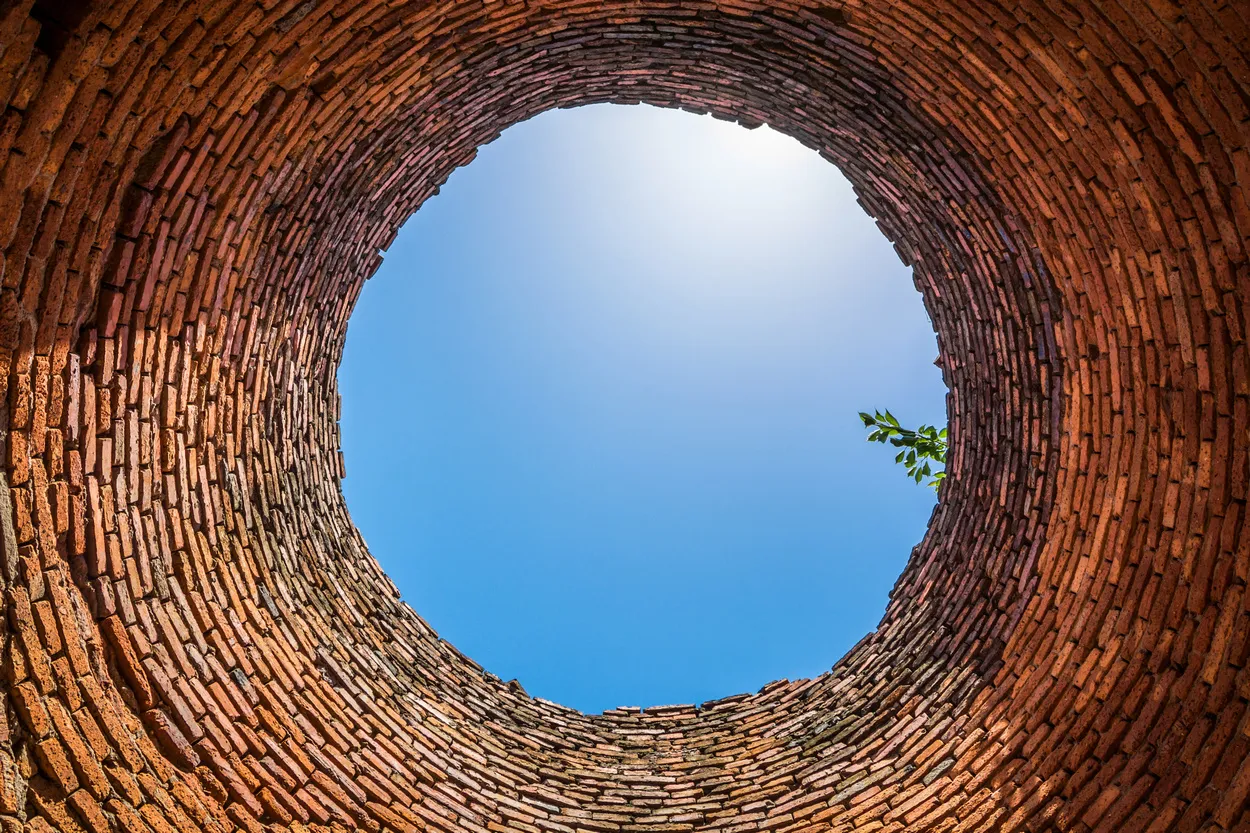
Drilling at the well openingWater well drilling by our teamDrilling equipment at depthCompleted drilling workView from inside the wellA drilled well for a household
Work gallery · Drilling on site: video

A well planned around your property

We assess the land and discuss nearby wells before drilling. Manual equipment allows access to narrow yards and keeps transport requirements low. The proposed depth and installation are chosen for your property.

Ask a drilling specialist

Efficient work

A shallow well can often be completed within a few days, depending on site conditions.

Lower logistics costs

Manual equipment reduces transport and setup requirements.

Well development

Pumping removes sand and suspended material before handover.

Assessment first

We check the property and plan the work before drilling.

Planning your well project

  1. We discuss your property and water requirements.
  2. We assess the work and access for the equipment.
  3. We carry out the work and check the flow rate.

Tell us about your project

Let us know your location, the work you need and access to the property. We will discuss the next steps together.

Clear water is not necessarily safe to drink. Drinking-water quality must be checked through laboratory testing.