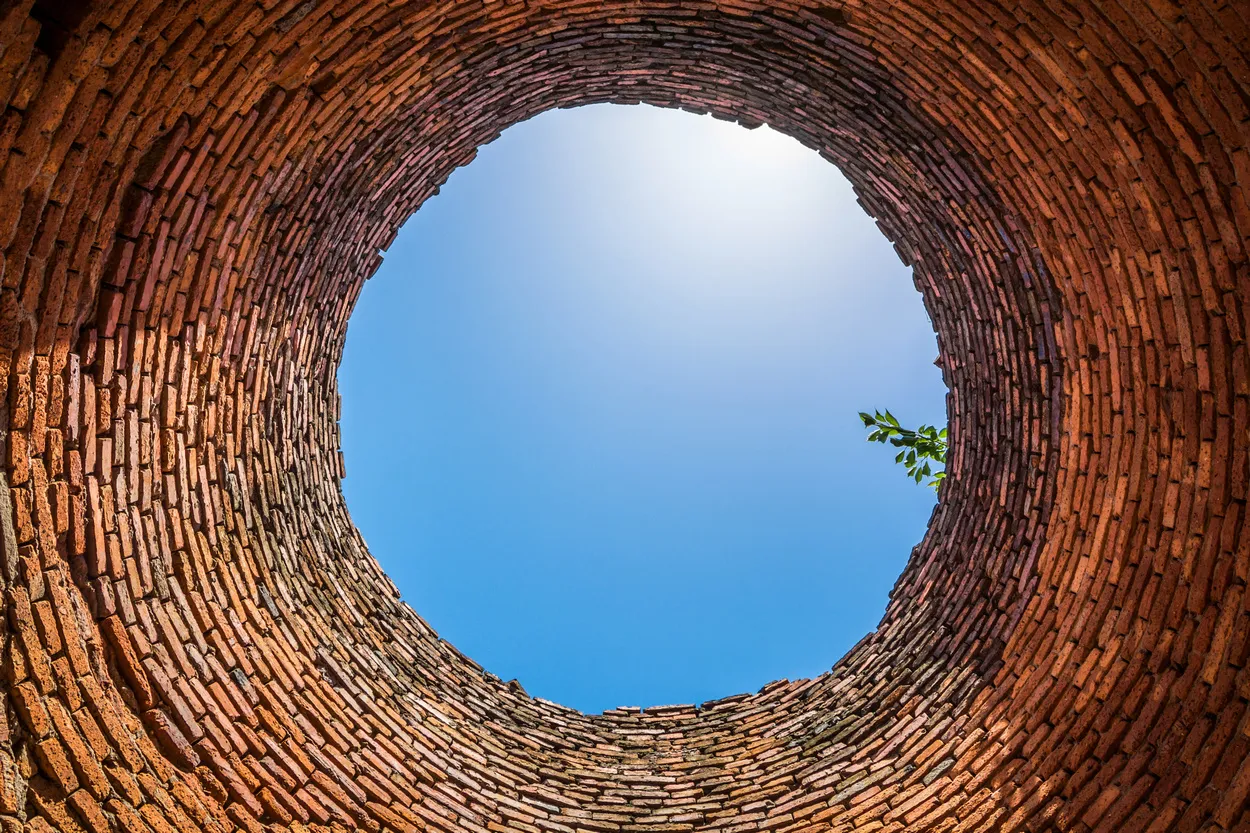
Water well deepening
If an existing well no longer supplies enough water, deepening may reach another water-bearing layer.
View details →We drill water wells for homes, gardens and irrigation, using equipment adapted to the property.
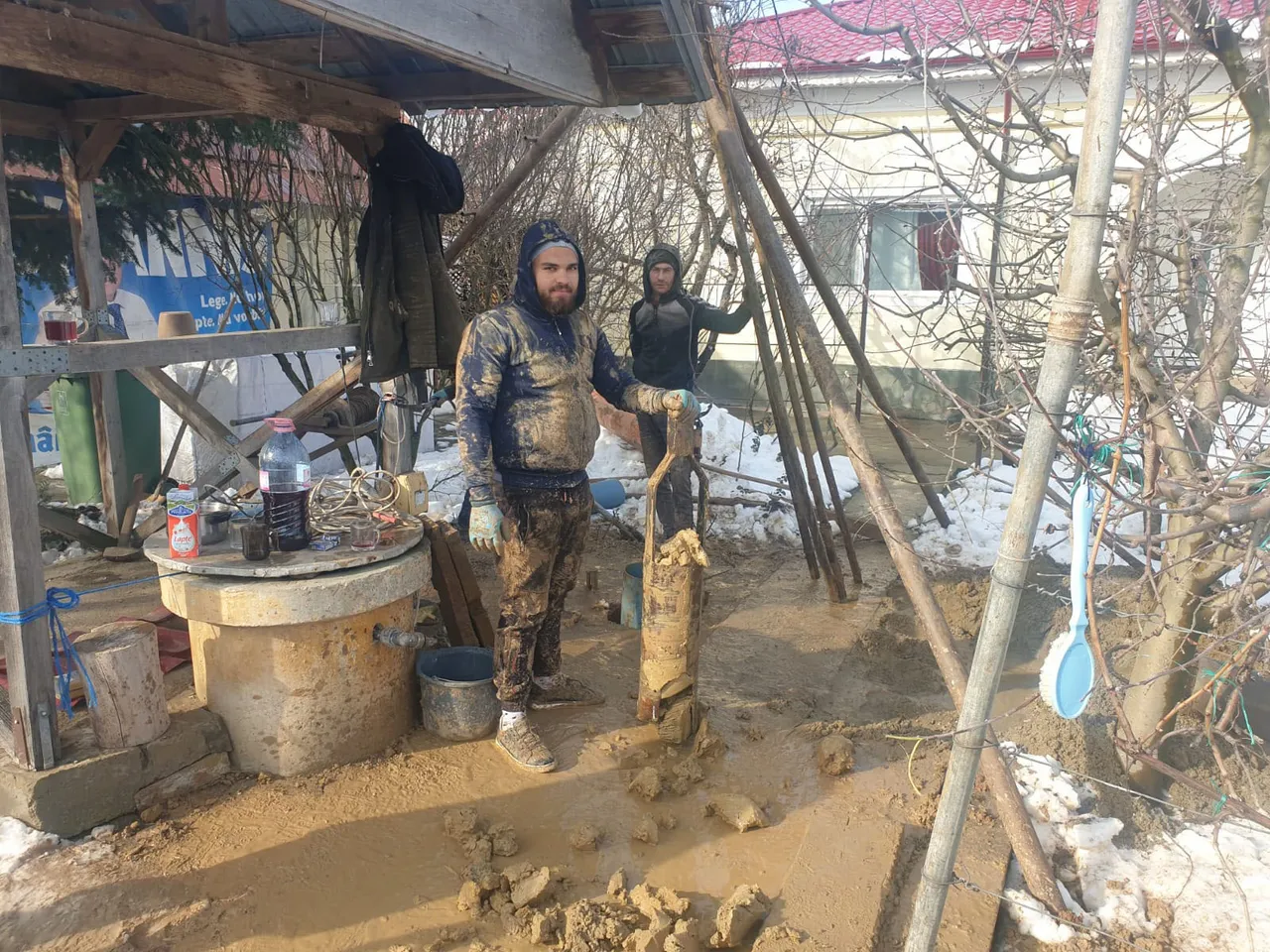
We drill wells for household supply, gardens, livestock and irrigation, independently of the public water network. Shallow-well work commonly involves depths of 10–35 metres, selected according to the local aquifer. Manual equipment can enter narrow yards and reduce transport and setup requirements.
The well is cased with suitable blue, black or orange PVC pipe, including Valplast or Valrom where specified. Screens are selected for the water-bearing layer, then the well is developed and pumped. At handover we demonstrate the actual flow and recommend a pump matched to the supply and your needs. Water intended for drinking requires laboratory testing.
If an existing well no longer supplies enough water, deepening may reach another water-bearing layer.
View details →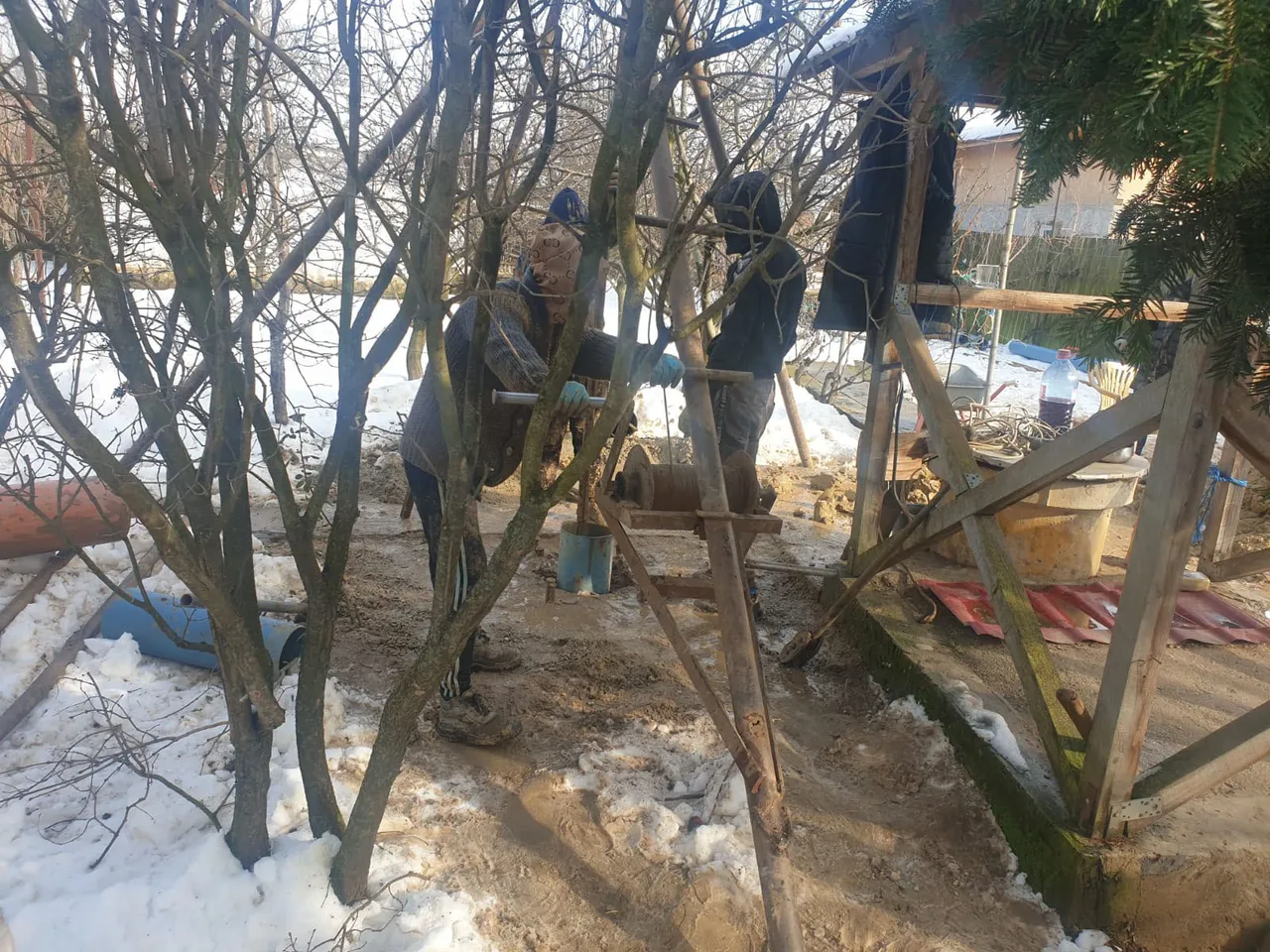
Low flow, cloudy water or pumping problems need a diagnosis before choosing a repair.
View details →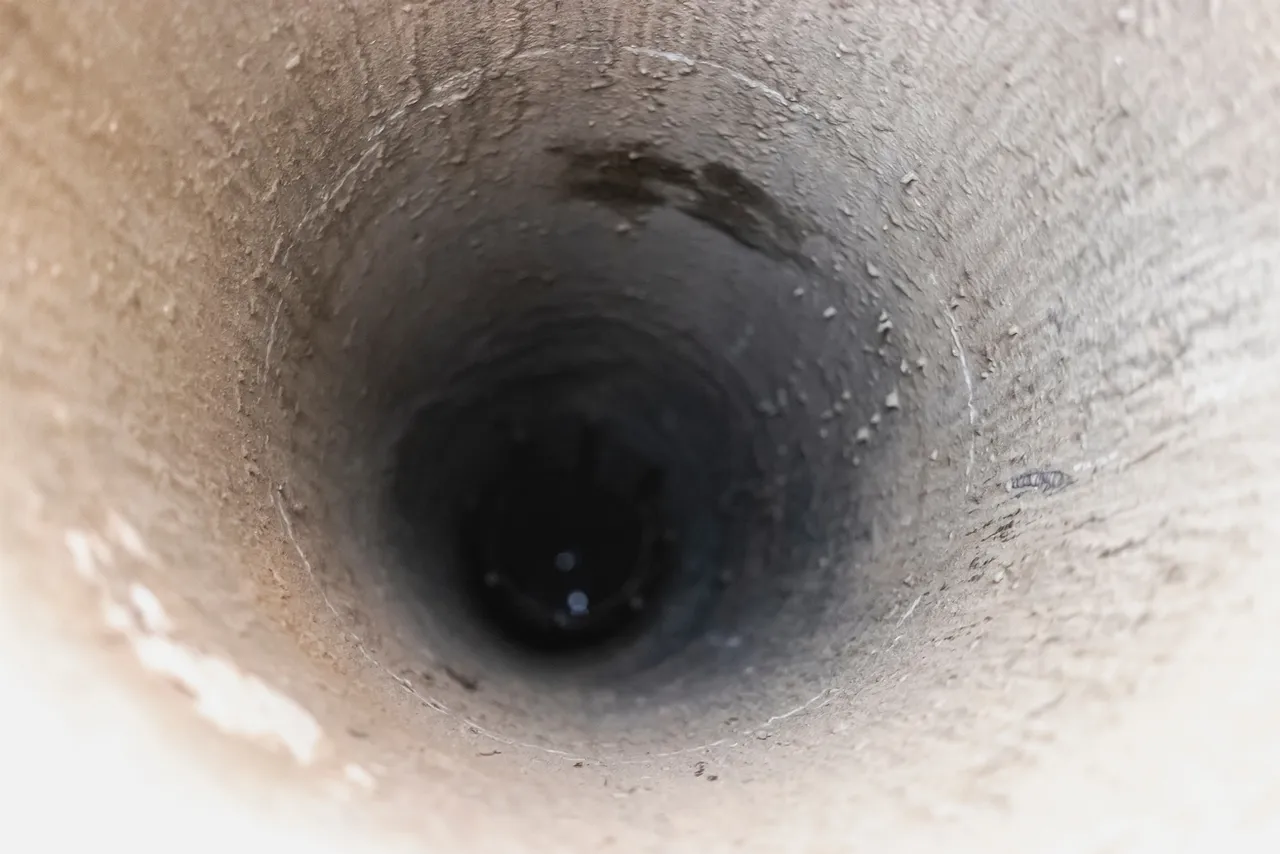
Extending an existing borehole may provide access to a deeper water-bearing layer without starting a separate well.
View details →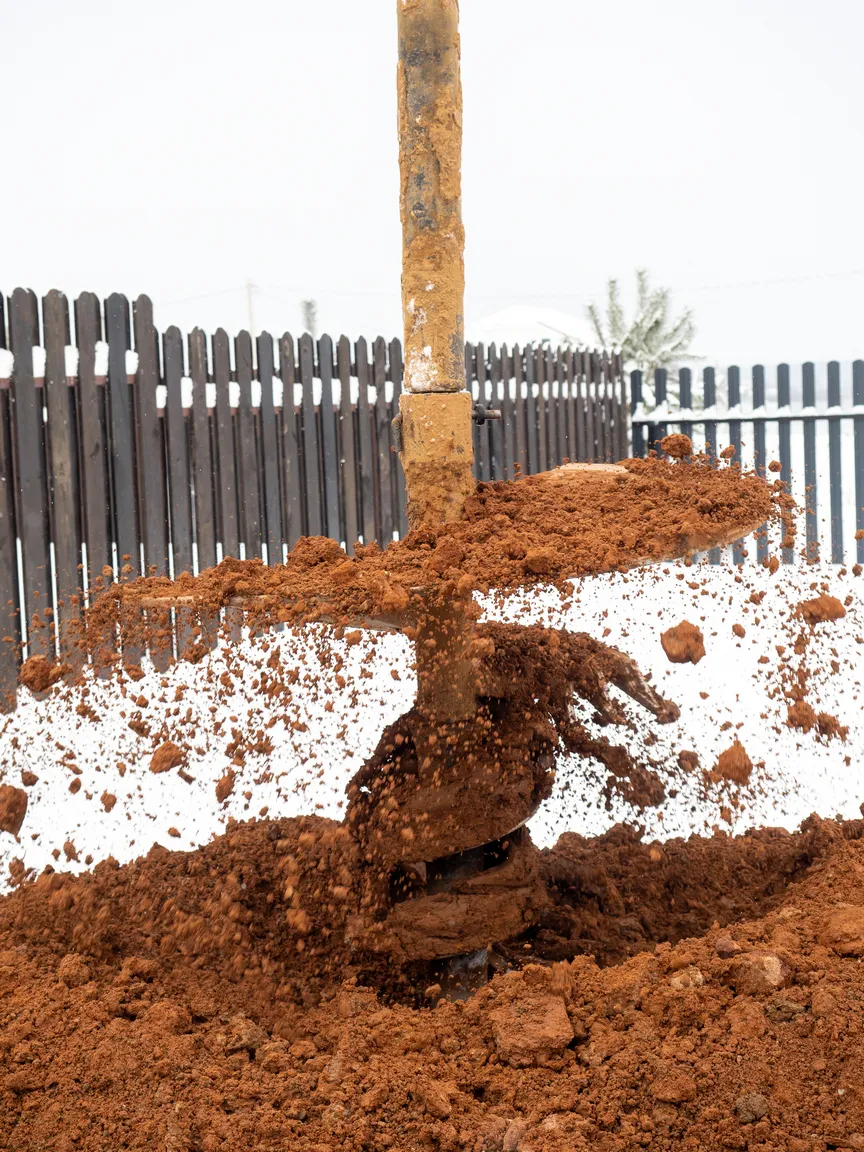
Sand in the water can damage a pump and may indicate problems with the well screens or filter pack.
View details →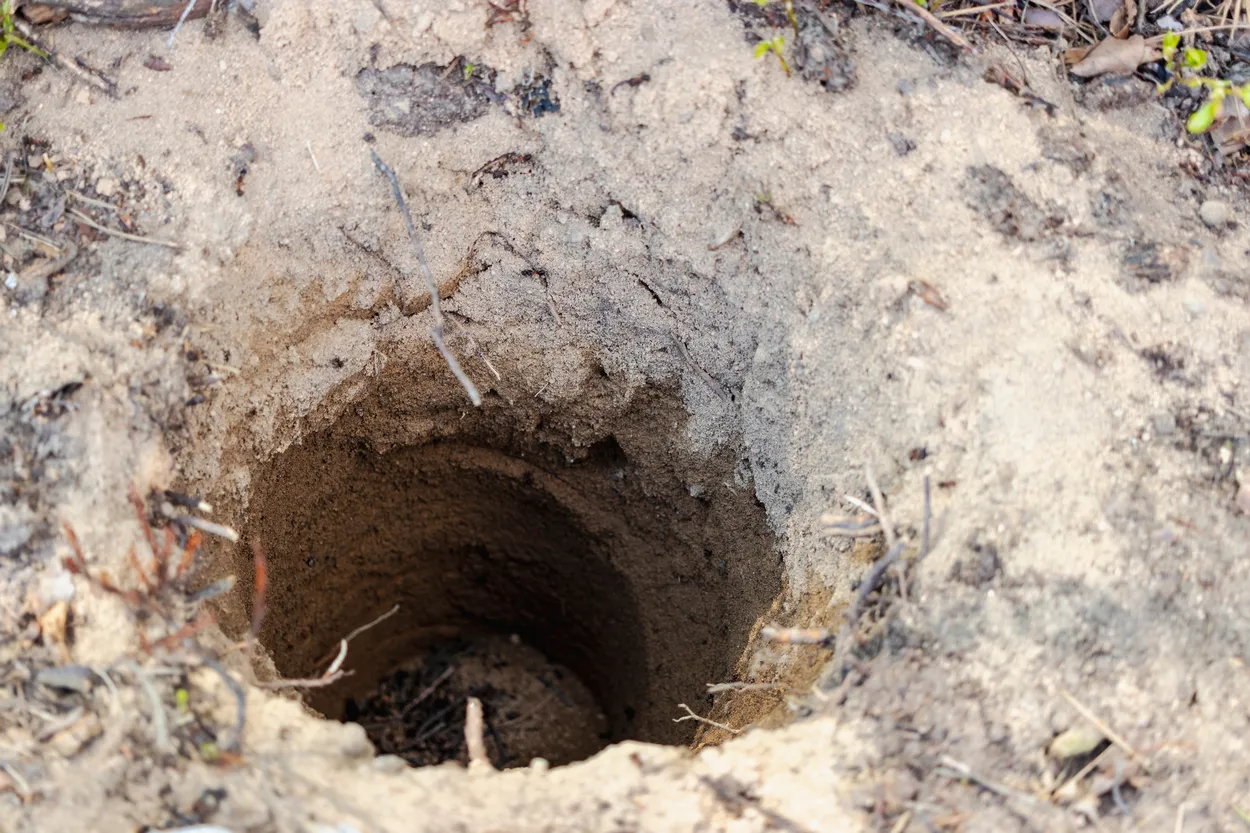
Bored piles and micropiles provide deep foundation support where the project and soil conditions require it.
View details →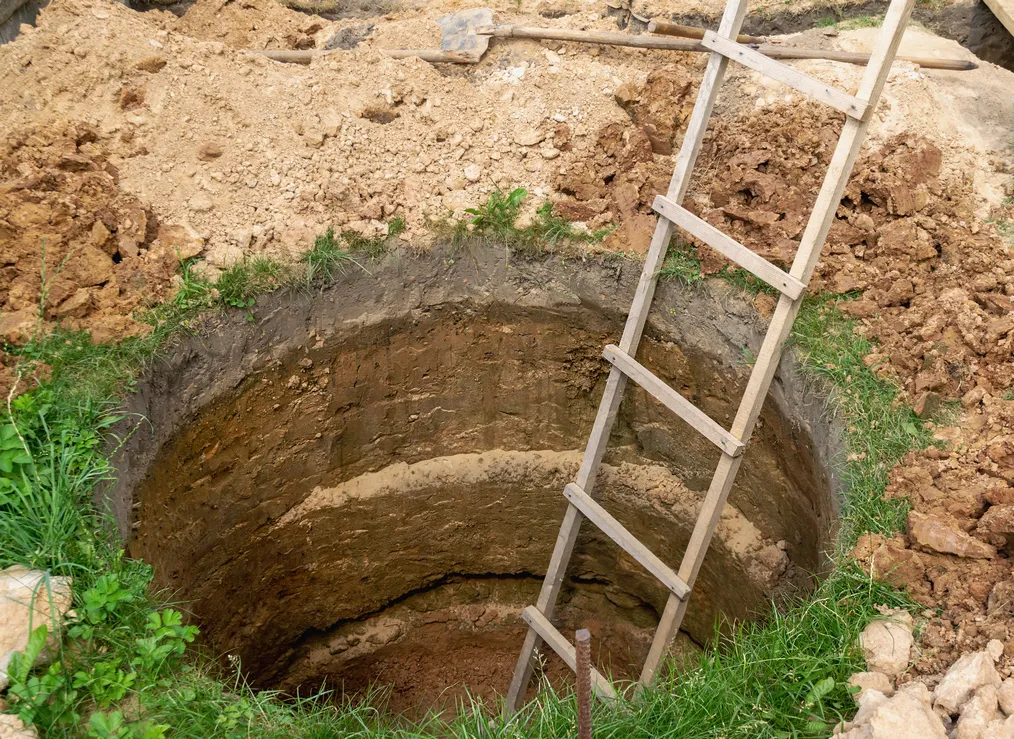
Sediment and deposits can affect water clarity and well performance. Cleaning is selected according to the well condition.
View details →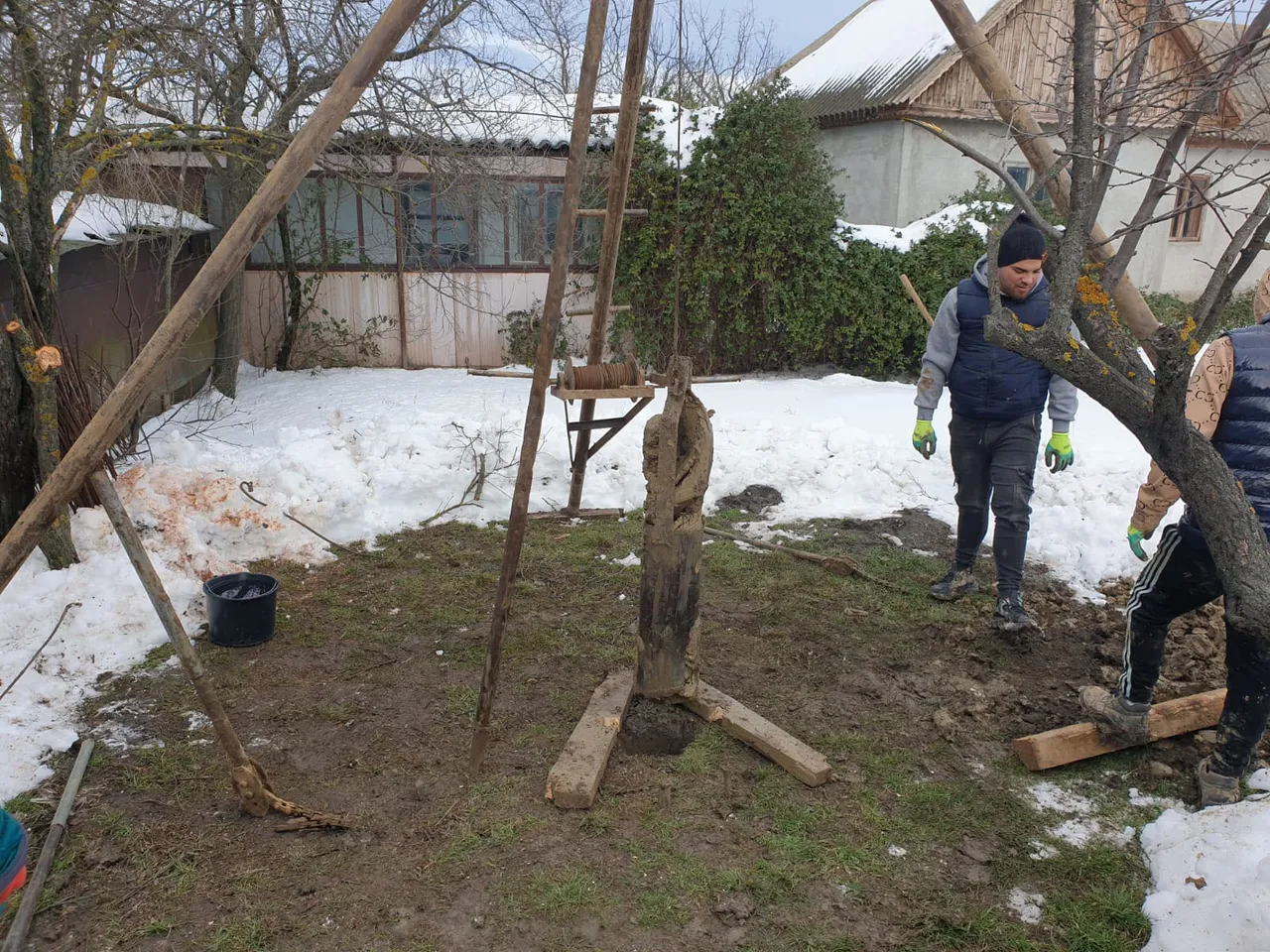
Unstable borehole walls or damaged casing may require a reinforcement solution adapted to the ground.
View details →We drill water wells for homes, gardens and irrigation, using equipment adapted to the property.
View details →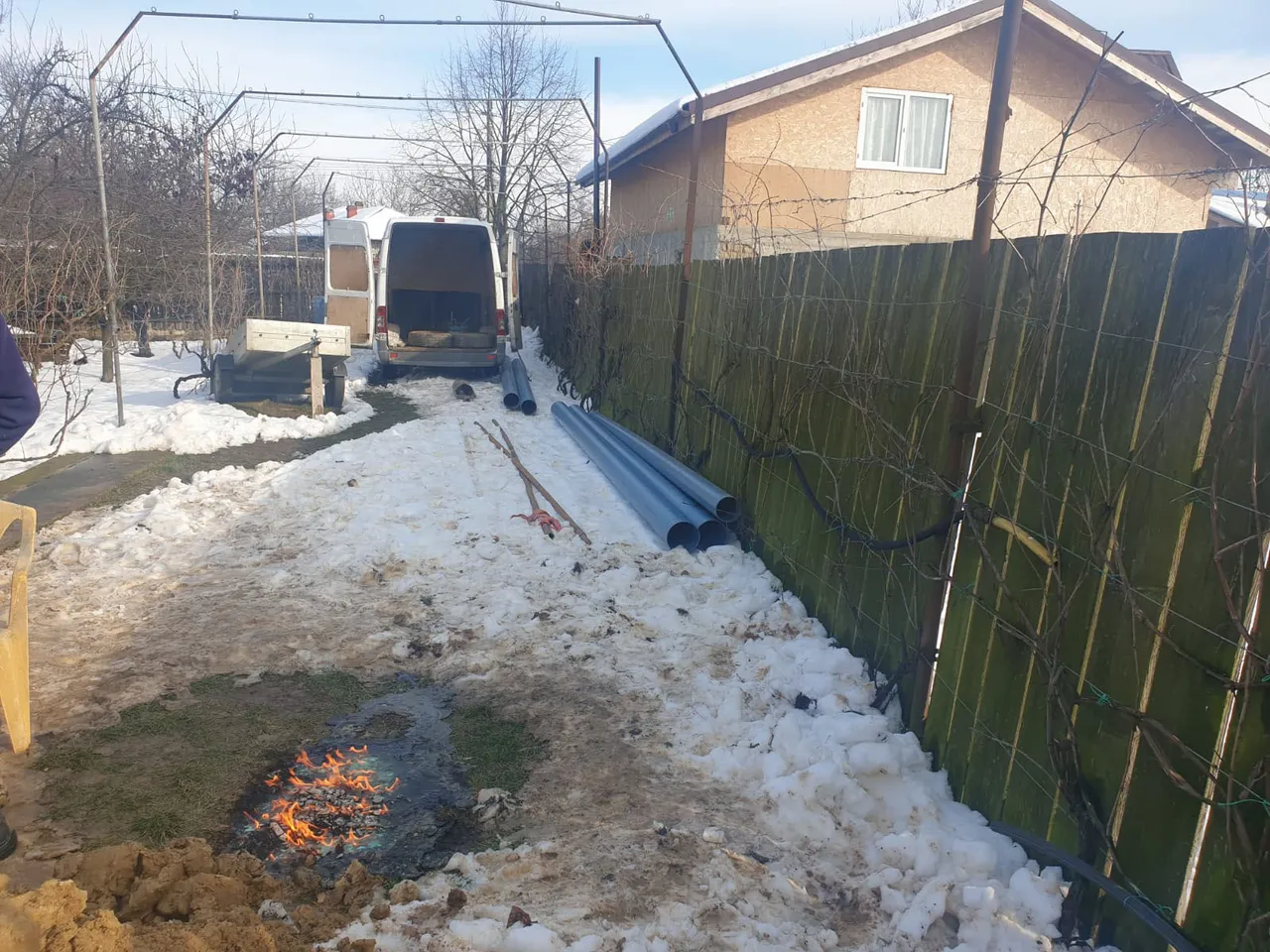
Drainage wells may help manage surface water where the ground and local requirements allow infiltration.
View details →Let us know your location, the work you need and access to the property. We will discuss the next steps together.
Clear water is not necessarily safe to drink. Drinking-water quality must be checked through laboratory testing.